Defect Surveys
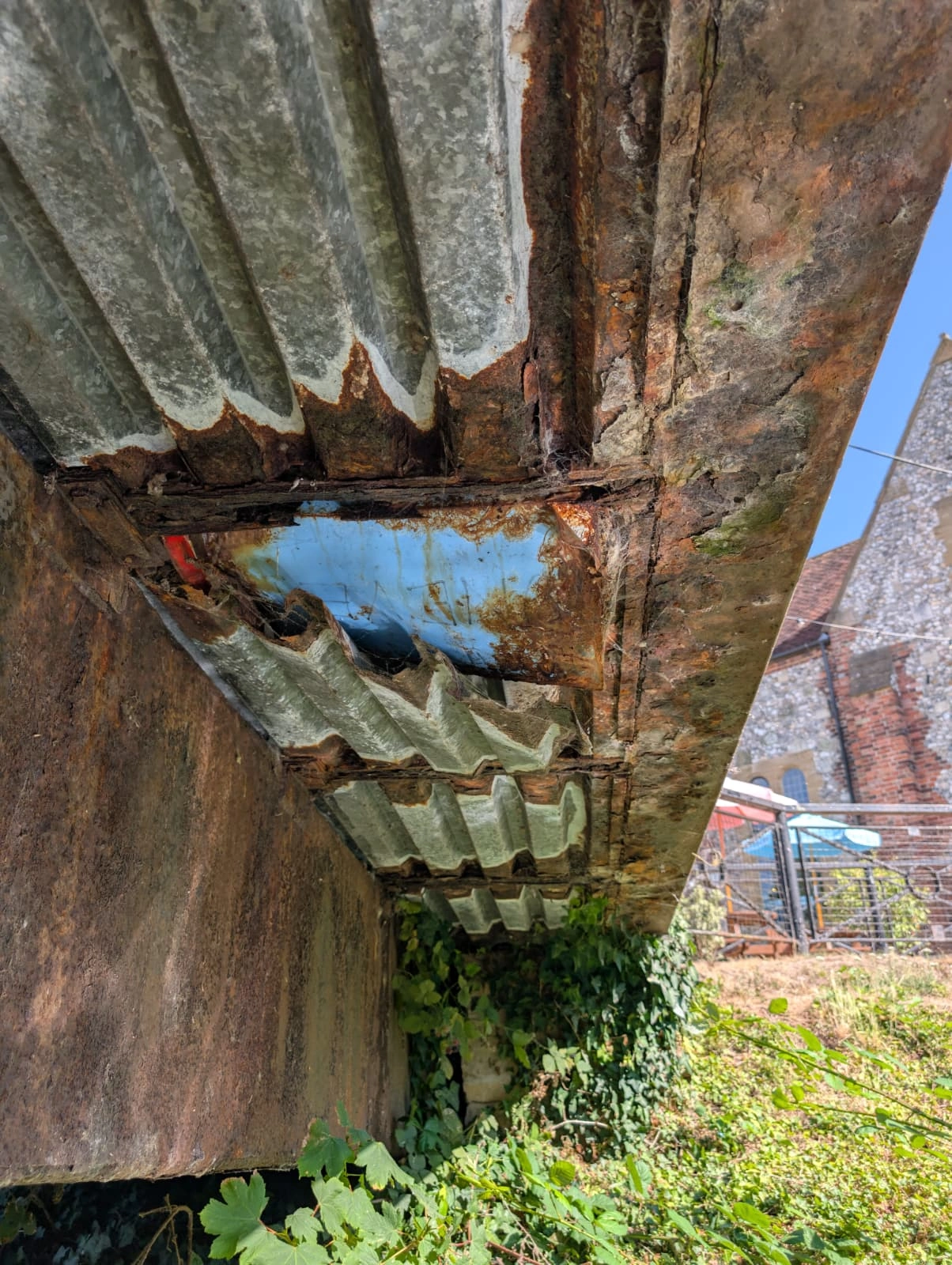
Defect surveys are undertaken to identify, record, and assess deterioration within concrete structures, including commercial buildings, car parks, bridges, and other civil infrastructure. Common defects include cracking, spalling, corrosion staining, water ingress, and construction-related issues, all of which can affect structural performance, durability, and safety. At Concrete Insight UK, surveys are carried out by experienced engineers and surveyors through detailed visual inspection, targeted measurements, and supporting testing where required. Findings are clearly documented and categorised by risk and severity, providing clients with a robust understanding of condition, probable causes, and recommended next steps to support maintenance planning, repair design, or further investigation.

Dimensional Surveys
Dimensional surveys are undertaken to accurately measure the size, geometry, and layout of concrete and structural elements within existing buildings and infrastructure. They are commonly required to verify as-built conditions, confirm member sizes, assess clearances, and support refurbishment, strengthening, or change-of-use projects where original drawings may be inaccurate or unavailable. At Concrete Insight UK, surveys are carried out using calibrated measuring equipment to record dimensions of slabs, beams, columns, walls, and structural layouts. Data is presented clearly to support design verification, structural assessment, and coordination with architects and engineers, providing reliable information for informed decision-making.
Ferroscanning
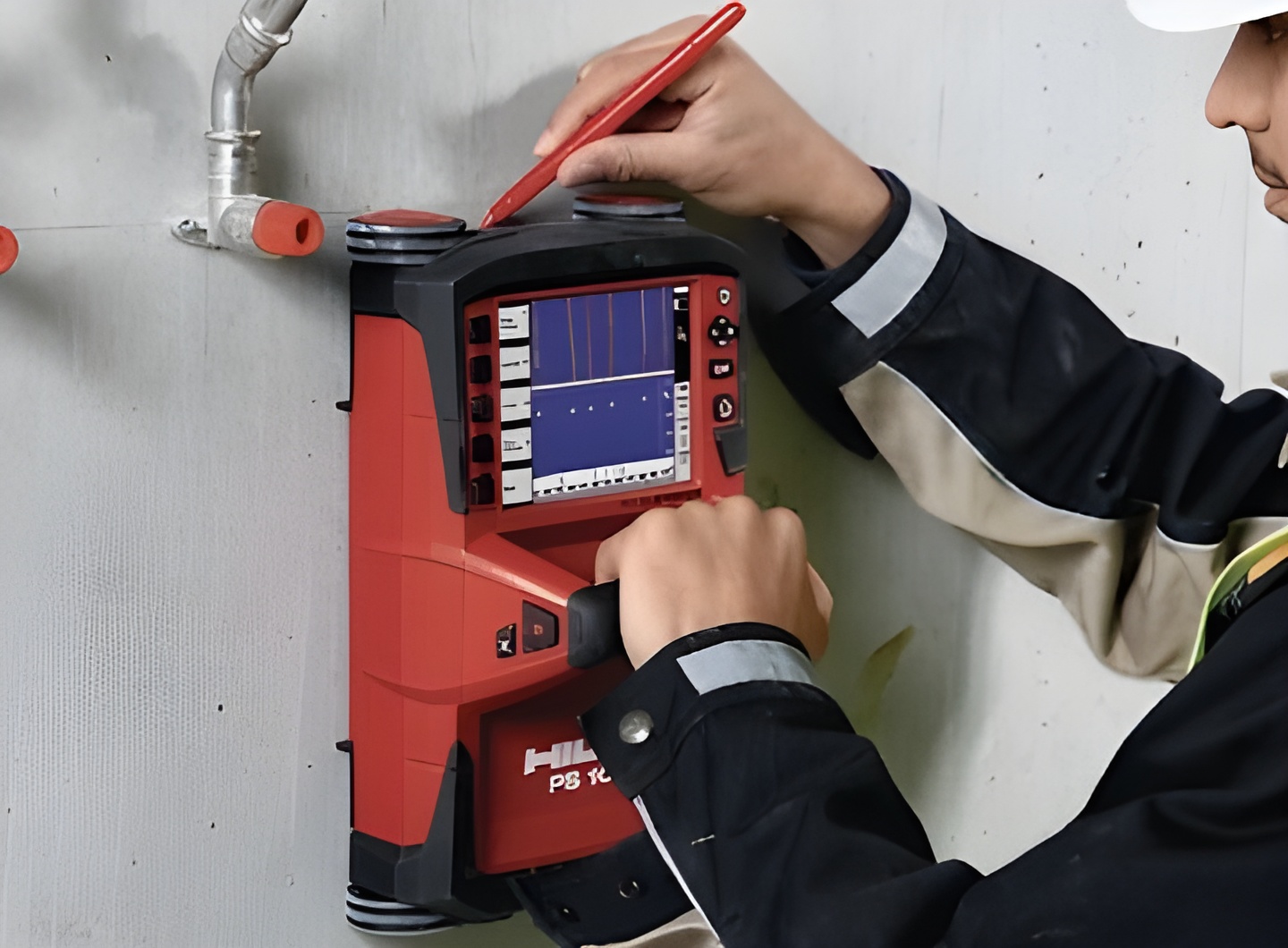
Ferro scanning is a non-destructive technique used to locate and map embedded steel reinforcement within concrete. It allows confirmation of reinforcement position, cover depth, bar spacing, and orientation, providing critical information where drawings are unavailable, incomplete, or require verification. At Concrete Insight UK, ferro scanning is carried out using calibrated electromagnetic scanning equipment to produce clear reinforcement profiles. Data is interpreted by experienced surveyors and can be used to support structural assessment, plan intrusive works such as coring or breakouts, and reduce the risk of damaging reinforcement during drilling or cutting operations.
Ground Penetrating Radar
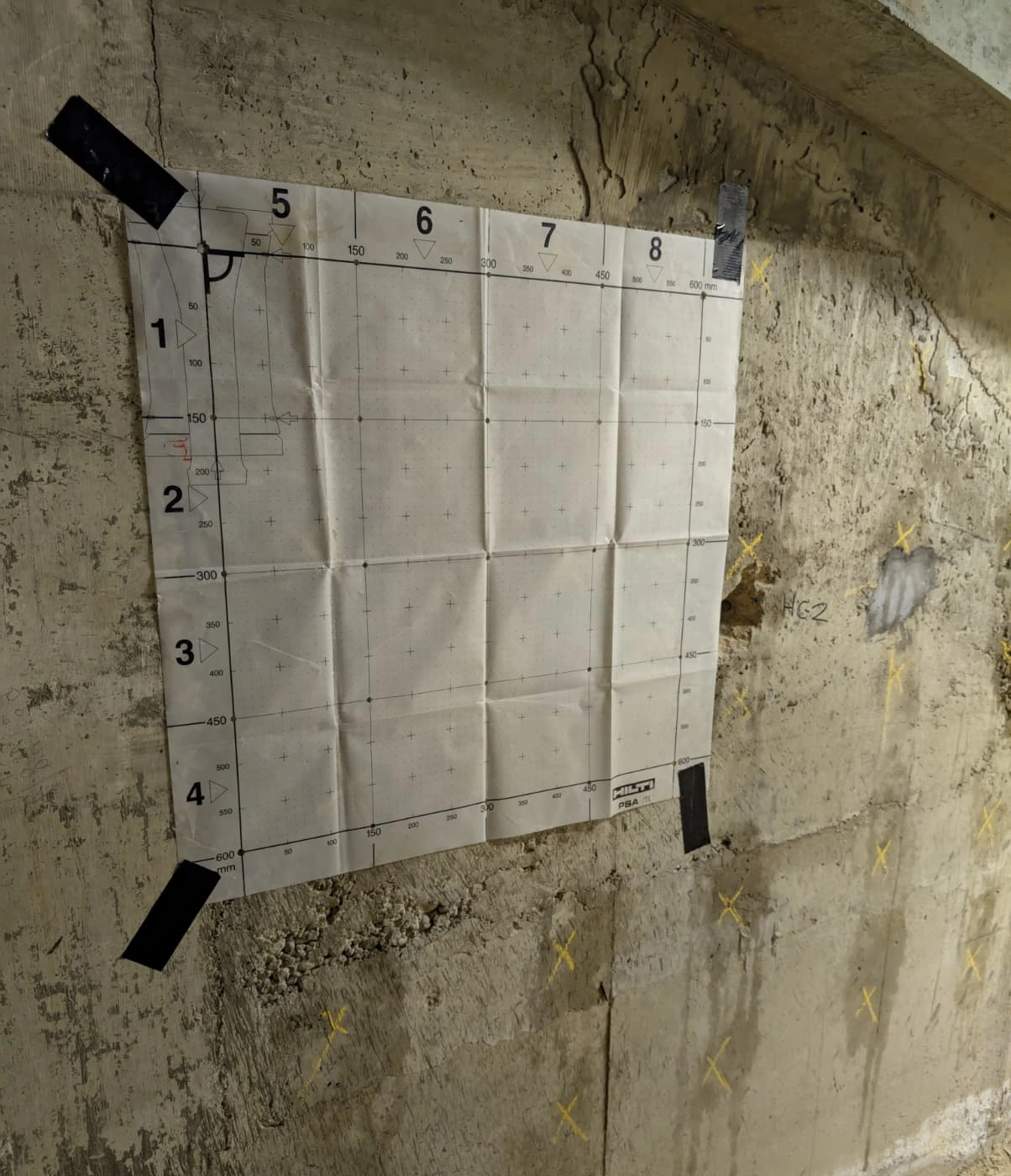
Ground Penetrating Radar (GPR) is a non-destructive survey method used to investigate the internal composition of concrete elements. It enables the detection of embedded reinforcement, post-tensioning ducts, voids, construction layers, and other inclusions within slabs, beams, walls, and columns, particularly where structural drawings are absent or unreliable. At Concrete Insight UK, concrete GPR surveys are undertaken using high-frequency antennae suitable for reinforced concrete. Surveys are typically carried out on a defined grid to produce accurate depth-related profiles, which are interpreted by experienced surveyors. Results are used to support structural assessment, plan safe intrusive works such as coring or breakouts, and reduce the risk of damaging critical embedded elements.
Rebound Hammer Surveys
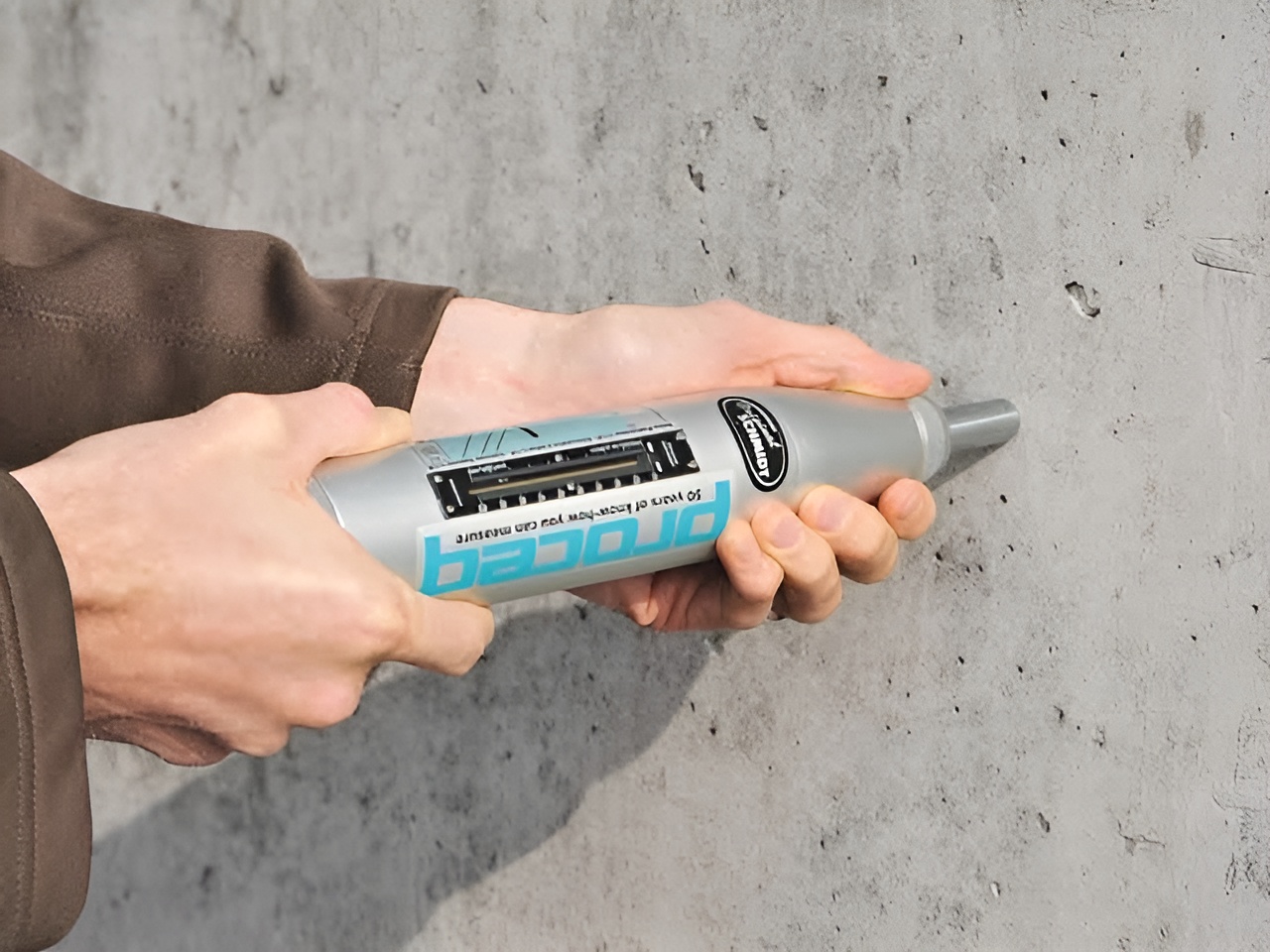
Rebound hammer testing is a non-destructive method used to provide an indication of the surface hardness and relative compressive strength of concrete. Using a Schmidt hammer, the test measures the rebound value of a spring-loaded mass impacting the concrete surface, allowing comparison of concrete quality across different areas of a structure. At Concrete Insight UK, rebound hammer testing is carried out in a systematic manner, with multiple readings taken at each location to obtain representative results. Data is interpreted in context with concrete age, surface condition, and exposure, and is typically used to identify areas of weaker or variable concrete, support condition assessments, and inform the need for further intrusive testing such as coring.